
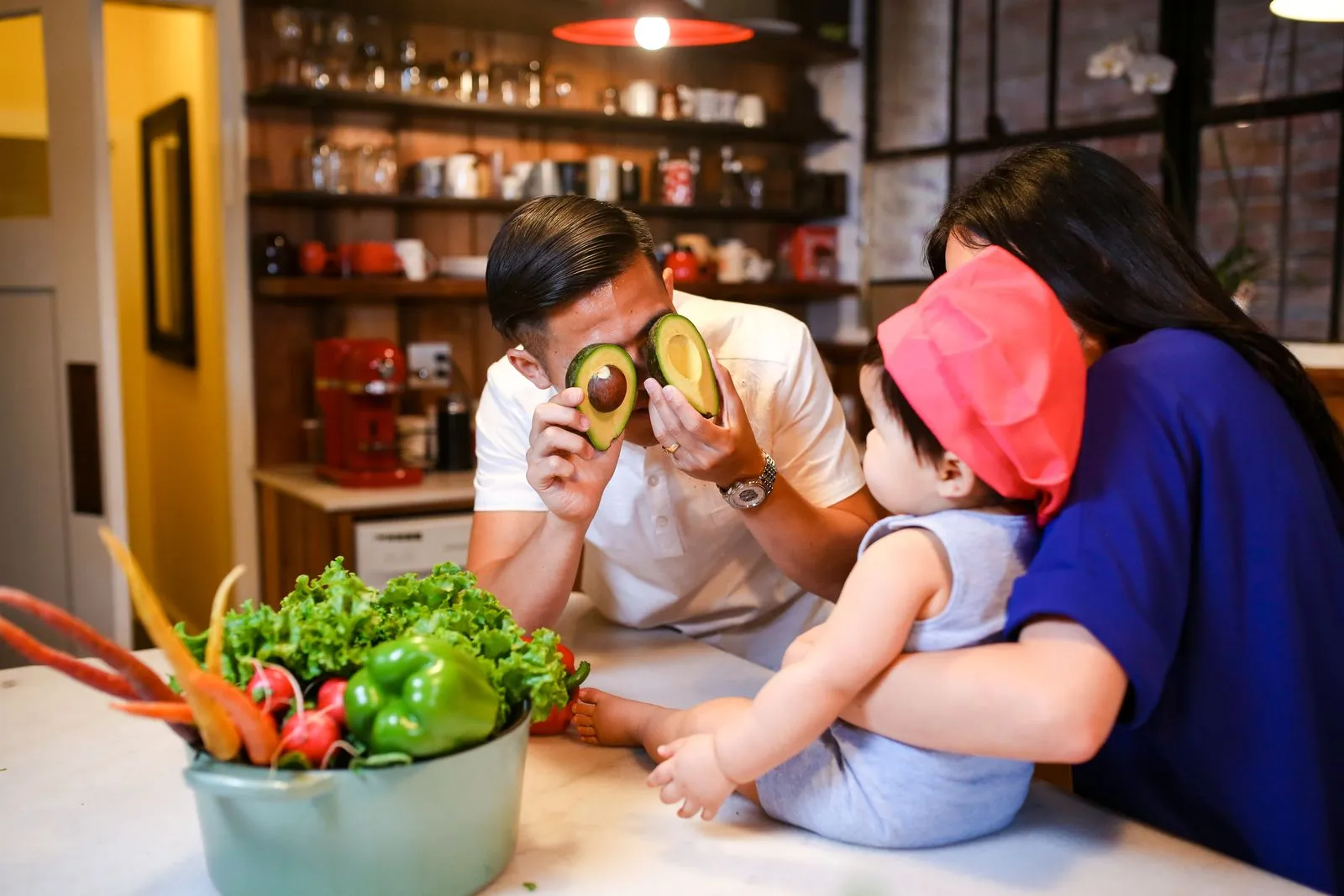
Balanced meals do not need to look perfect or include a long list of special foods. A helpful starting point is to offer a few different kinds of food, such as a source of energy, a protein food, and fruit or vegetables. The mix can change from meal to meal, and familiar favorites belong on the plate, too. Keep the goal practical: offer nourishing options regularly, let children respond to their appetite, and make eating together as relaxed as possible.
Use a flexible meal mix
Think of a meal as a combination of foods that serve different roles. Grains, potatoes, or other starchy foods provide energy; foods such as beans, eggs, fish, meat, tofu, or yogurt add protein; and fruits or vegetables bring color and variety. Add a source of fat, such as avocado, olive oil, cheese, or nut butter when appropriate. You do not need every category at every meal.
Start with foods your child already accepts, then add one other option. Serve rice with chicken and cucumber, pasta with meatballs and peas, or oatmeal with milk and sliced fruit. Frozen, canned, and fresh produce can all fit. If a child prefers foods separate rather than mixed, serve components side by side instead of combining them.
Make snacks count, too
A snack can help bridge the gap between meals, especially when a child has a long stretch between eating times. Pairing two foods can make it more satisfying: try yogurt with berries, crackers with cheese, or apple slices with a thin spread of nut butter. Adapt the choices to your child’s age, chewing skills, allergies, and any safety guidance from their clinician.
Keep snack planning simple. Offer a choice between two suitable options, or set out a few foods and let your child choose what to eat from them. Snacks do not have to be elaborate, and they do not need to be earned. Predictable meal and snack opportunities can help children know when food will be available without constant negotiation.
Reduce pressure at the table
Adults can decide what foods are offered, when meals and snacks happen, and where eating takes place. Children can decide whether to eat and how much, while caregivers stay attentive to individual needs and medical advice. Avoid requiring a clean plate or using dessert as a reward. Pressure can make meals tense and distract from a child’s own hunger and fullness signals.
A child may need many calm opportunities to become familiar with a new food. Include a small amount alongside accepted foods without insisting on a taste. Let children explore by looking, smelling, touching, or trying a bite if they choose. Keep your own reactions neutral, and remember that one meal or one day does not define a child’s overall eating pattern.
Plan for real-life routines
Use a short list of reliable meals to make busy days easier. For example, keep a few convenient staples on hand: eggs, canned beans, frozen vegetables, fruit, bread, rice, or pasta. Combine what is available rather than waiting for a perfect meal. Leftovers can become lunch, and a simple sandwich with fruit and milk can be a reasonable option.
Let children help with age-appropriate tasks, such as washing produce, choosing between two vegetables, or stirring ingredients. Participation can build familiarity, but it should not become a requirement to eat the food. If growth, feeding skills, allergies, or a very limited range of foods are concerns, ask your child’s pediatrician or a pediatric dietitian for individualized guidance.
Balanced eating grows from regular opportunities, flexible food choices, and a calmer atmosphere—not from getting every plate exactly right. Start with one small change, such as adding a familiar fruit to a snack or offering a new food beside a favorite. For support tailored to your child, consider speaking with a pediatric dietitian.